Understanding HOA Restrictions on Artificial Grass in Front Yards
If you own a home in a homeowners association community in Midland, you've likely encountered the rulebook that governs everything from paint colors to landscaping choices. One question that comes up frequently is whether artificial grass is permitted in front yards under HOA guidelines. The answer isn't always straightforward, as restrictions vary significantly from one community to another.
Many HOAs in the Midland area have historically discouraged or outright banned artificial turf because older generations of synthetic grass looked noticeably fake and plastic. However, the landscape has changed dramatically over the past decade. Modern artificial grass products are virtually indistinguishable from natural lawn at first glance, featuring realistic color variations, texture, and even drainage systems that mimic natural soil. Despite these improvements, some HOAs maintain outdated policies that don't reflect today's technology. Before you invest in Residential Artificial Grass Installation, it's essential to understand exactly what your HOA bylaws permit.
Reviewing Your HOA Covenants and CC&Rs
Your first step should be to pull out your Covenants, Conditions, and Restrictions (CC&Rs) document and read the landscaping section carefully. This legal document outlines what modifications you can and cannot make to your property. Many homeowners assume their HOA prohibits artificial grass when the actual language is vague or outdated. Some CC&Rs may simply state that "landscaping must be well-maintained and aesthetically pleasing," which could technically allow high-quality artificial turf if it meets those standards.
If the language is unclear, don't guess. Contact your HOA board or management company directly and ask for a written clarification. Request specific information about whether synthetic turf is permitted in front yards, what specifications the grass must meet (pile height, material type, color), and whether you need formal approval before installation. Getting this in writing protects you from future disputes and ensures you're not wasting money on a project that violates community rules. Many Midland homeowners have discovered that their HOA's actual position on artificial grass is far more flexible than they initially believed.
The Submittal and Approval Process for Front Yard Artificial Grass
If your HOA permits artificial grass but requires approval, you'll typically need to submit an Architectural Review Committee (ARC) request. This formal process exists to ensure that any modifications to your property maintain community aesthetics and property values. The good news is that the submittal process, while sometimes tedious, is designed to be manageable for homeowners. You'll generally need to provide photos or samples of the artificial grass you plan to install, along with details about the product specifications and the installation timeline.
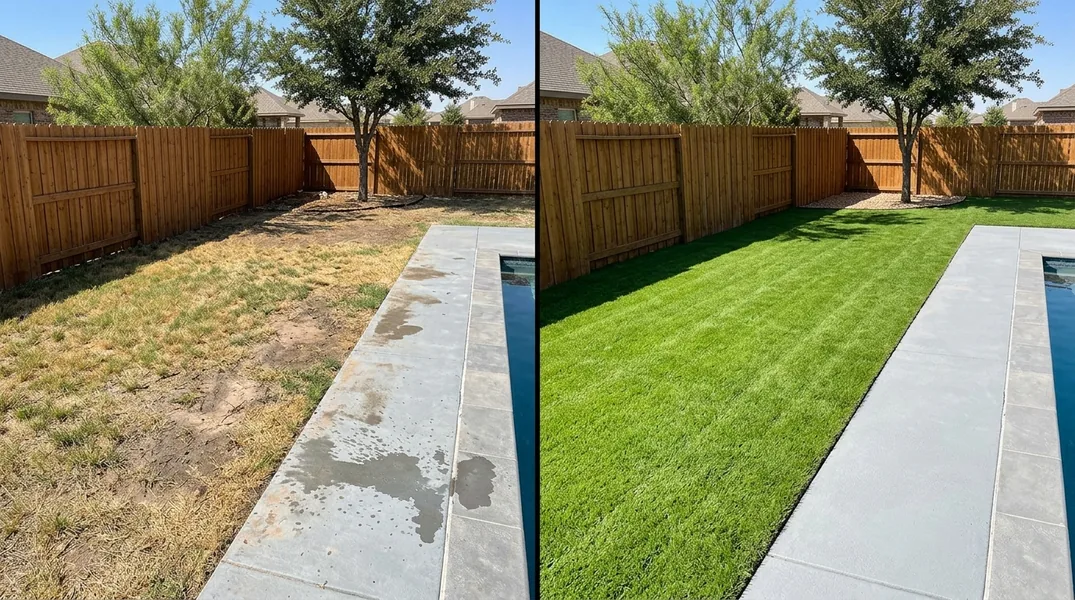
When preparing your submittal, include high-quality photos of the specific turf product you've selected, showing both close-up detail and how it looks from a distance. Many HOAs appreciate seeing before-and-after photos from similar installations, and this is where a professional installer like Midland Turf Installation can provide valuable documentation. Include the product manufacturer's name, the pile height, the color designation, and any certifications the turf holds (UV resistance, drainage capability, pet-friendly features, etc.). The ARC typically reviews submissions within 14 to 30 days, though timelines vary. If your submission is incomplete, they'll request additional information, which can delay approval by weeks. By being thorough upfront, you increase the likelihood of quick approval and avoid the frustration of resubmitting incomplete applications.
Common HOA Objections and How to Address Them
Even when artificial grass is technically permitted, some HOAs raise objections based on outdated perceptions or neighbor complaints. Common concerns include the belief that synthetic turf looks fake, that it doesn't contribute to the neighborhood's natural aesthetic, or that it creates drainage or pest problems. Understanding these objections in advance allows you to craft a compelling response in your submittal package.
Address the "fake appearance" concern by highlighting the realism of modern artificial grass. Include close-up photos and, if possible, physical samples that the ARC can examine. Explain that your chosen product mimics natural grass so closely that most neighbors won't notice the difference from the street. If drainage is a concern, provide technical documentation showing that your turf includes a permeable backing and drainage system that actually performs better than some natural lawns during heavy rain. If the HOA worries about pests or rodents, explain that quality artificial grass doesn't harbor insects or create pest habitat the way natural grass or thatch can. By proactively addressing these objections with facts and visual evidence, you transform the conversation from "we don't like artificial grass" to "here's why this specific product meets our community standards."
Working with a Professional Installer on HOA Compliance
One of the smartest moves you can make is partnering with a professional Residential Artificial Grass Installation company that understands local HOA dynamics. Installers who work regularly in Midland communities have experience with common HOA concerns and can recommend turf products that are most likely to gain approval. They can also provide professional documentation, warranty information, and installation photos that strengthen your ARC submittal.
When you contact Midland Turf Installation at (432) 289-5360 for a free estimate, mention that your property is in an HOA community. The team can discuss product options that align with typical HOA requirements and help you understand the approval process specific to your community. Many professional installers have existing relationships with local HOA boards and can sometimes facilitate communication or provide references from other successful installations in your neighborhood. This professional support not only increases your chances of approval but also ensures that the final installation meets both HOA standards and your personal expectations for quality and appearance.
Timeline and Next Steps for HOA Approval
Once you've reviewed your CC&Rs, gathered information about your HOA's specific requirements, and selected your artificial grass product, it's time to move forward with the formal process. If approval is required, submit your ARC request well in advance of when you'd like installation to begin. Don't wait until you've already hired an installer and scheduled a date, as unexpected delays in approval could disrupt the project timeline.
After approval is granted, you can confidently move forward with scheduling your installation. The entire process, from initial research through final installation, typically takes four to eight weeks, depending on how quickly your HOA reviews submissions and how soon you want the work completed. If you're ready to explore your options and understand what artificial grass solutions work best for your specific HOA community, reach out to Midland Turf Installation today. Call (432) 289-5360 or visit the website to discuss your project with professionals who understand the local landscape and the nuances of HOA compliance in the Midland area. With proper planning and the right partner, you can enjoy a beautiful, low-maintenance front yard that your HOA will approve.
Looking for a professional artificial grass installation company in Midland? Midland Turf Installation responds fast for all your artificial grass installation needs.
Get a Free Quote